Recorded Intelligence: A Font That Elevates Your Brand
It was a quiet afternoon when I decided to update the packaging for my small candle business. The labels had been the same for years, and while they were functional, they didn’t reflect the care and intention behind each product. I wanted something that felt modern but still warm, something that could stand out on a shelf without being too flashy. That’s when I discovered Recorded Intelligence.
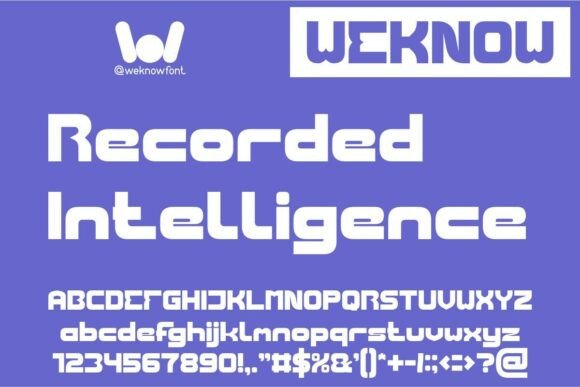
Recorded Intelligence is a geometric display font with a clean, minimal aesthetic. It balances boldness with simplicity, making it perfect for businesses looking to create a polished yet approachable brand image. Its structured lines and even weight give it a sense of confidence, while its subtle curves add a touch of personality. It’s the kind of font that feels both professional and friendly—ideal for small businesses that want to make a lasting impression.
How Recorded Intelligence Transforms Everyday Business Materials
One of the first things I did was use Recorded Intelligence for my candle labels. The font’s clarity made it easy to read from a distance, which is important for products on a shelf. It also gave the labels a more cohesive look, tying together the different scents and sizes I offered. The result was a set of labels that felt intentional and consistent, which made the whole product line feel more refined.
I also used it for my Instagram posts. My brand’s social media presence had always been a bit scattered, with different fonts used across posts and stories. By switching to Recorded Intelligence for headlines and captions, I created a visual rhythm that made the account feel more unified. It wasn’t just about looking better—it was about feeling more professional, which helped build trust with customers.
Another area where Recorded Intelligence made a difference was in my business cards. Before, I had used a generic font that felt generic. With Recorded Intelligence, the cards looked more deliberate, almost like they were designed with care. It was a small change, but it made a big impact when handing them out at local markets or networking events.
Where to Use Recorded Intelligence in Your Branding
Recorded Intelligence works well in a variety of design contexts. For logos, it adds a modern edge without being too complicated. It’s great for packaging titles, product names, and display text. If you’re designing a menu for a café, a label for skincare products, or a tag for handmade goods, this font can help your branding feel more cohesive and memorable.
It also pairs well with other fonts. For example, if you’re using a clean sans serif for body text, Recorded Intelligence can serve as a strong headline font. If you’re going for a more elegant look, pairing it with a serif font can create a nice contrast. For a more casual vibe, a script or handwritten font might work well alongside it. The key is to keep the overall design balanced and readable.
Why Typography Matters for Small Businesses
Typography isn’t just about aesthetics—it’s about communication. The right font can influence how people perceive your brand. A messy or unclear font can make your business seem unprofessional, while a well-chosen font can signal quality, reliability, and attention to detail.
Recorded Intelligence helps with that. Its clear structure makes it easy to read, even in small sizes or on mobile screens. This is especially important for labels, social media thumbnails, and product mockups. When your text is legible, your message is more likely to be understood—and your brand is more likely to be remembered.
For businesses that rely on visuals, like online shops or boutique stores, having a consistent typeface across all materials can make a huge difference. It creates a sense of unity, making your brand feel more trustworthy and recognizable. That’s why I’ve used Recorded Intelligence not just on labels and social media, but also on thank-you cards, stickers, and even email signatures.
What to Consider When Using Recorded Intelligence
Before using any font, it’s important to check what styles and file formats are included. Recorded Intelligence probably has different weights and variations, which can be useful for creating hierarchy in your designs. You’ll also want to make sure it supports the languages you need, especially if you sell internationally.
Another thing to consider is licensing. If you’re using the font for commercial purposes—like printing packaging or creating digital assets—you need to ensure it’s properly licensed. Some fonts have restrictions on how they can be used, so it’s worth double-checking before finalizing any project.
Finally, take time to experiment with how the font looks in different contexts. Try it on a menu, a website banner, or a product tag. See how it interacts with other elements in your design. Sometimes a font that looks great on a screen might not translate as well to print, so testing is key.
Choosing the right font can feel overwhelming, but it doesn’t have to be. Recorded Intelligence offers a simple, elegant solution that works across a wide range of applications. Whether you’re updating a label, redesigning a logo, or building a new brand identity, this font can help you achieve a more polished and professional look.
As I continue to refine my brand, I’m grateful for the small but meaningful changes that a single font can bring. It’s a reminder that even the smallest details can have a big impact on how your business is perceived—and that’s something every small business owner can appreciate.