Discover Hair Thinned: A Handwritten Font for Creative Projects
As I sat down to redesign the header for my lifestyle blog, I found myself drawn to the idea of a font that felt personal, approachable, and alive. That’s when I discovered Hair Thinned—a sweet and friendly handwritten font that adds warmth and character to any design. Its natural flow and unique style make it a versatile choice for a wide range of editorial projects, from blog headers to printable guides.
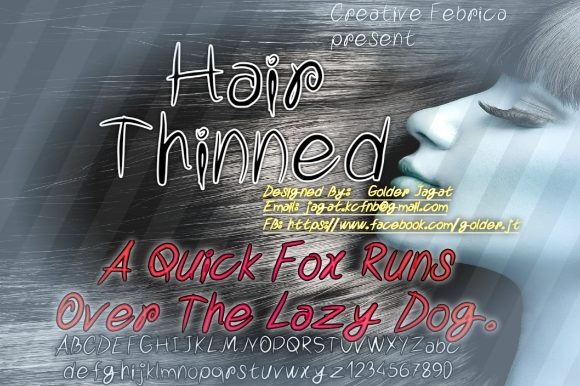
Hair Thinned carries a soft, unstructured rhythm that feels like a handwritten note. Each letter has a subtle variation in weight and shape, giving it a handcrafted feel that stands out without being overwhelming. It’s not overly ornate, but its personality is undeniable. This makes it ideal for designs that aim to feel human and relatable rather than rigid or formal.
One of the first places I used Hair Thinned was on the cover of a recipe ebook. The font’s gentle curves and playful flourishes complemented the warm, inviting tone of the content. It added a sense of authenticity that matched the homey, comforting nature of the recipes inside. The font didn’t overpower the images or the text—it simply enhanced the overall mood.
In a digital magazine layout, Hair Thinned worked well as a headline font. Its readability on screen made it suitable for section titles and pull quotes, while its distinct style helped differentiate key sections without disrupting the visual flow. When paired with a clean serif font for body text, the contrast created a balanced hierarchy that guided the reader through the content smoothly.
For a wedding guide I was designing, Hair Thinned brought a touch of elegance and charm. It was perfect for headings and decorative accents, adding a personal flair to the design. The font’s versatility allowed it to be used both as a primary title font and as a subtle accent in smaller text elements, making it a valuable addition to the project’s visual identity.
When considering usability, Hair Thinned performs well across different formats. On mobile devices, its legibility remains intact, making it a good choice for newsletter headers and social media graphics. In print materials, the font maintains its character, offering a tactile quality that can elevate the look of a printable planner or coaching workbook.
One of the strengths of Hair Thinned is its ability to convey a sense of friendliness and creativity. Whether used in a digital course PDF or a downloadable worksheet, it helps establish a connection with the audience. Its informal yet refined appearance makes it an excellent choice for brands that want to feel approachable and authentic.
When pairing Hair Thinned with other fonts, the goal is to create balance. For example, using it as a display font alongside a classic serif for body text can create a sophisticated yet accessible look. Alternatively, pairing it with a modern sans serif can give a more contemporary edge, depending on the project’s tone and purpose.
Before using Hair Thinned in any publication, it’s important to check the available styles, alternates, and ligatures. These features can add depth and variety to the design, allowing for more creative expression. Also, ensuring that the font supports the languages and characters needed for the project is essential, especially for international audiences or multilingual content.
The font comes in multiple file formats, making it easy to integrate into different design workflows. Whether you’re creating a freebie for your blog or a paid downloadable resource, understanding the licensing terms is crucial. Hair Thinned’s availability as a free font makes it an accessible option for creators looking to enhance their design toolkit without breaking the bank.
As I continued to experiment with Hair Thinned, I found it to be a reliable companion for various editorial tasks. From blog headers to chapter openers, it consistently delivered a sense of warmth and personality. Its ability to adapt to different contexts while maintaining its unique character makes it a standout choice for designers and content creators alike.
Ultimately, Hair Thinned is more than just a font—it’s a tool for storytelling. It allows designers to infuse their work with a sense of individuality and care, helping to create a more engaging and memorable reading experience. Whether you’re working on a lifestyle blog, a recipe ebook, or a creative workshop, this font offers a fresh and inviting way to present your ideas.
As I move forward with my next project, I’m already thinking about how Hair Thinned might fit into the design. Its gentle presence and expressive style remind me that even small details can have a big impact on how readers connect with content. And in a world where typography often goes unnoticed, a font like Hair Thinned has the power to make a lasting impression.
For anyone looking to add a touch of personality to their designs, Hair Thinned is worth exploring. It’s a font that doesn’t just look good—it feels right, making it a valuable asset in any creative workflow.